David Koehn & Rebecca Resinski

David Koehn and Rebecca Resinski
Rebecca and David –> we <– have known each other since high school, when we met at the Pennsylvania Governor’s School for the Arts. For the past few decades, we have collaborated across poetry, translation, erasure, visual composition, and found language. Our first collaboration, Tunic, grew from Rebecca’s guidance as David worked with Catullus’s Latin. We later created erasures from Arthur Conan Doyle’s The Sign of the Four, work that eventually became our chapbook intervals of. In As a Signal Magnification of the General Miracle, we moved through Moby-Dick by extracting the referent in “like” or “as” tropes—the thing to which Melville compares something else—and arranging those referents across a series of pages. For Street | Corner we created a series of two-word intersections with words that share a letter from The Strange Case of Dr. Jekyll and Mr. Hyde.
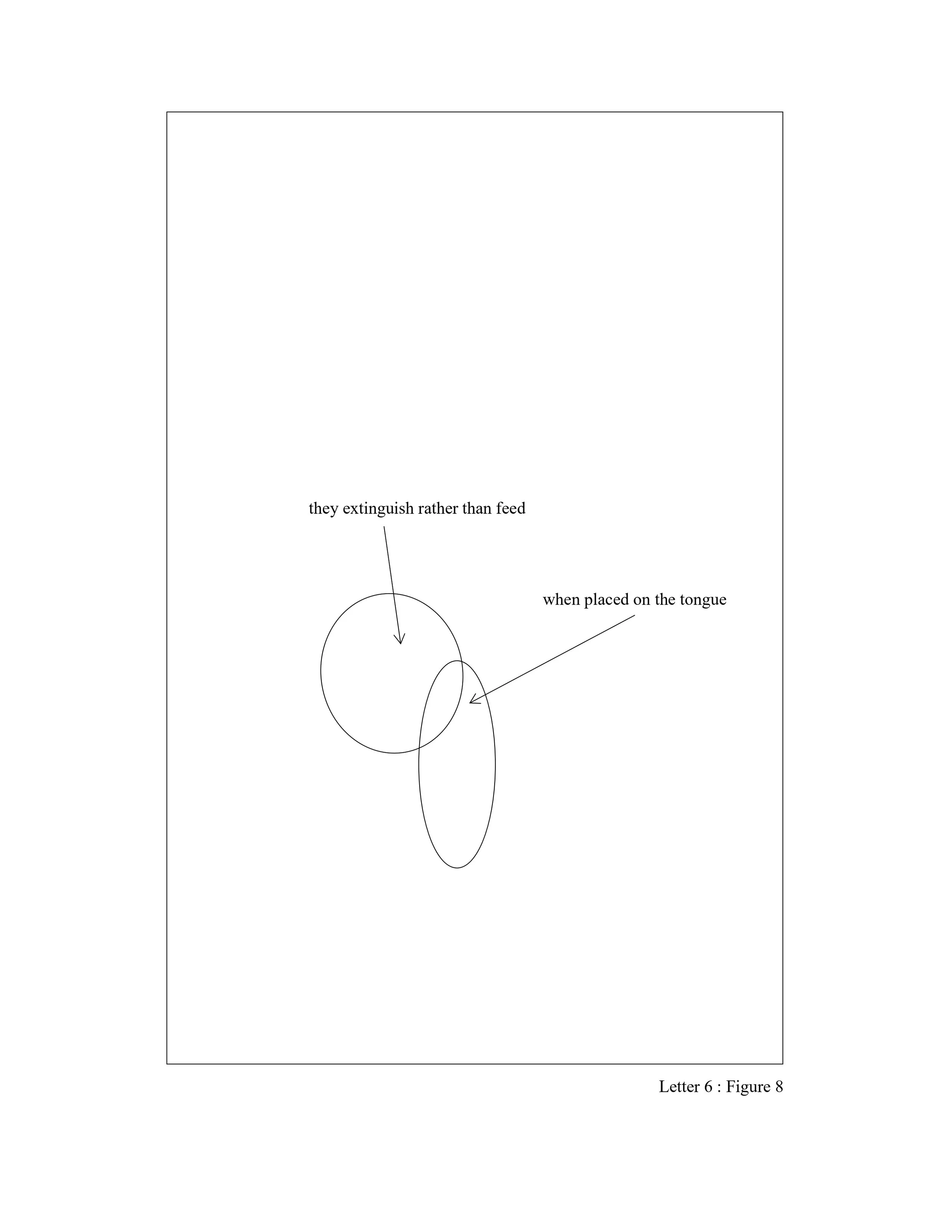
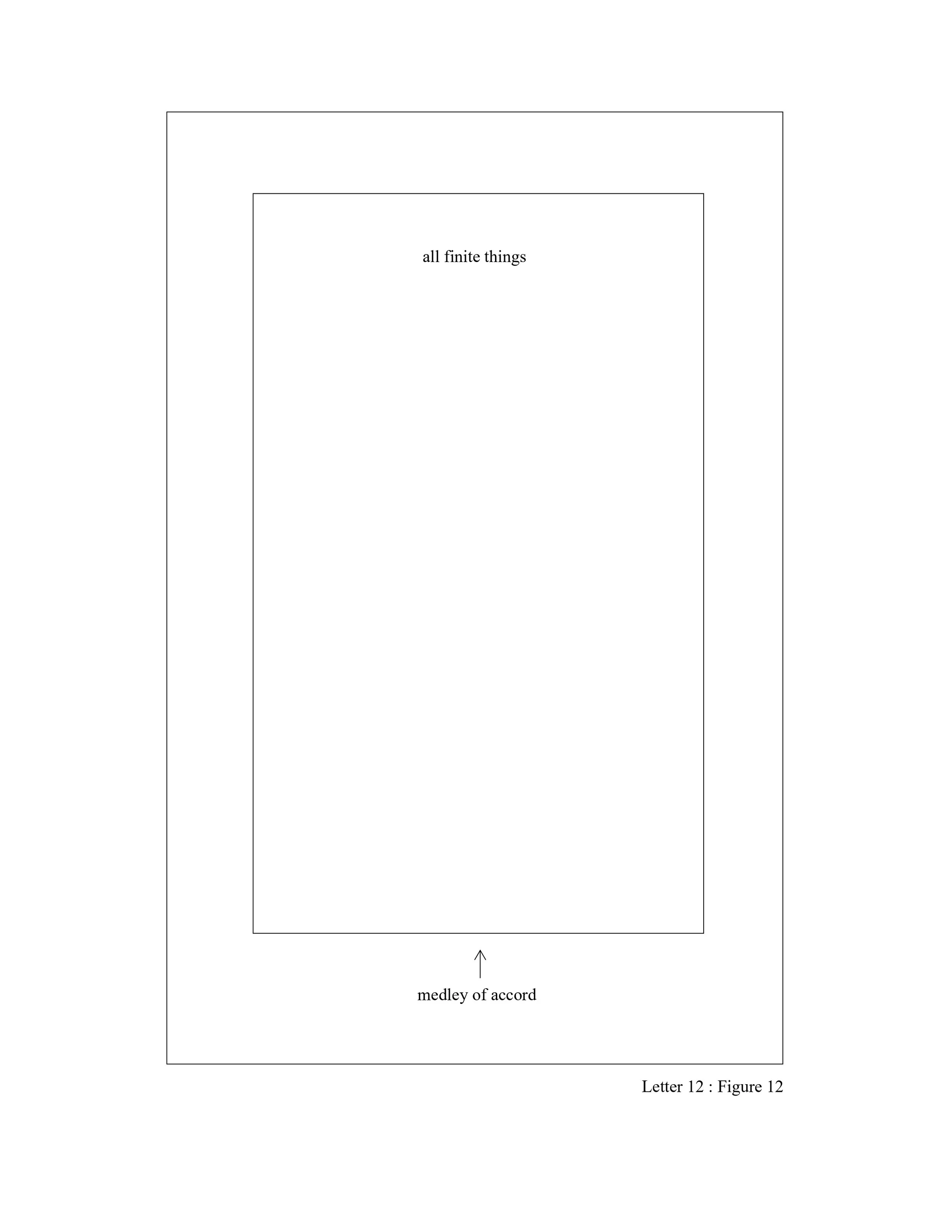
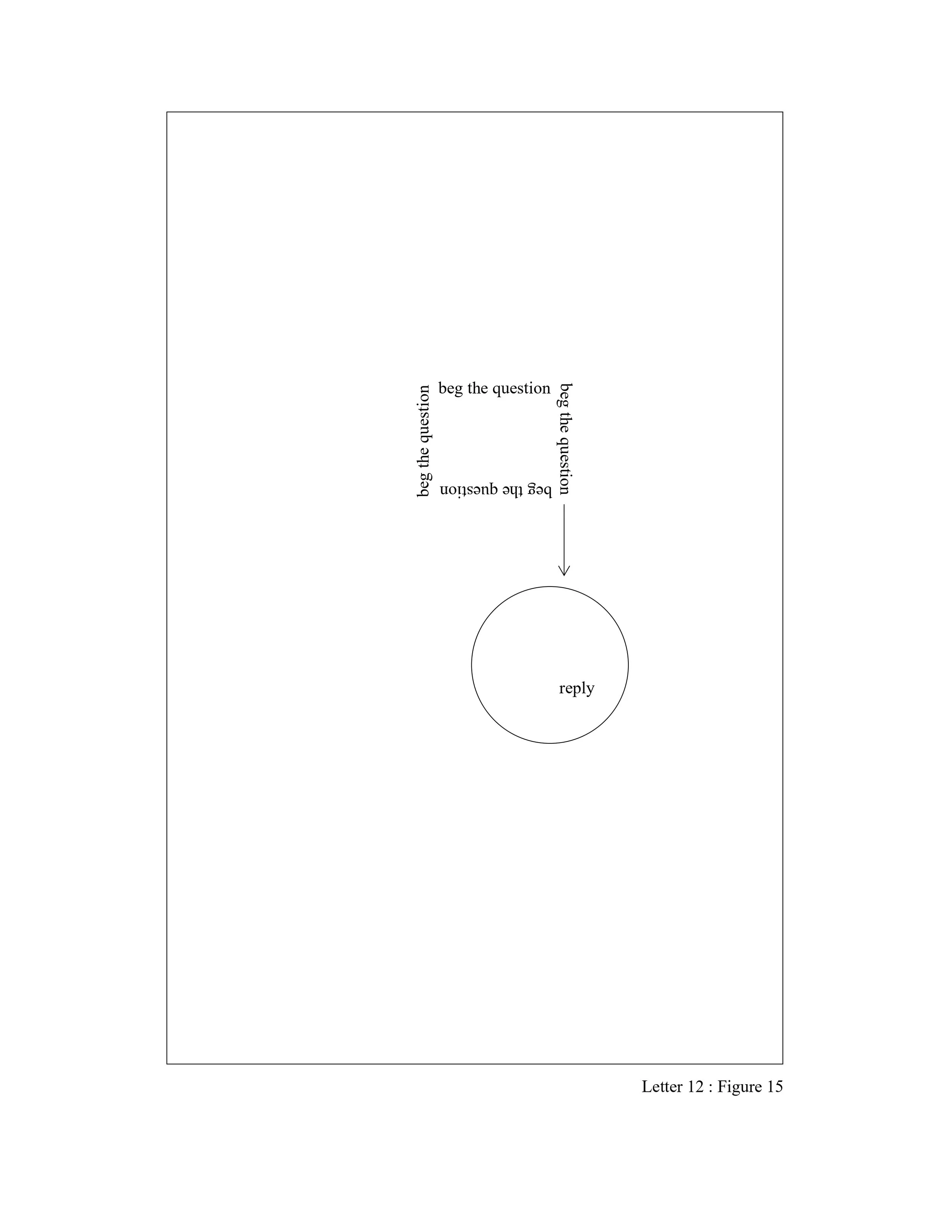
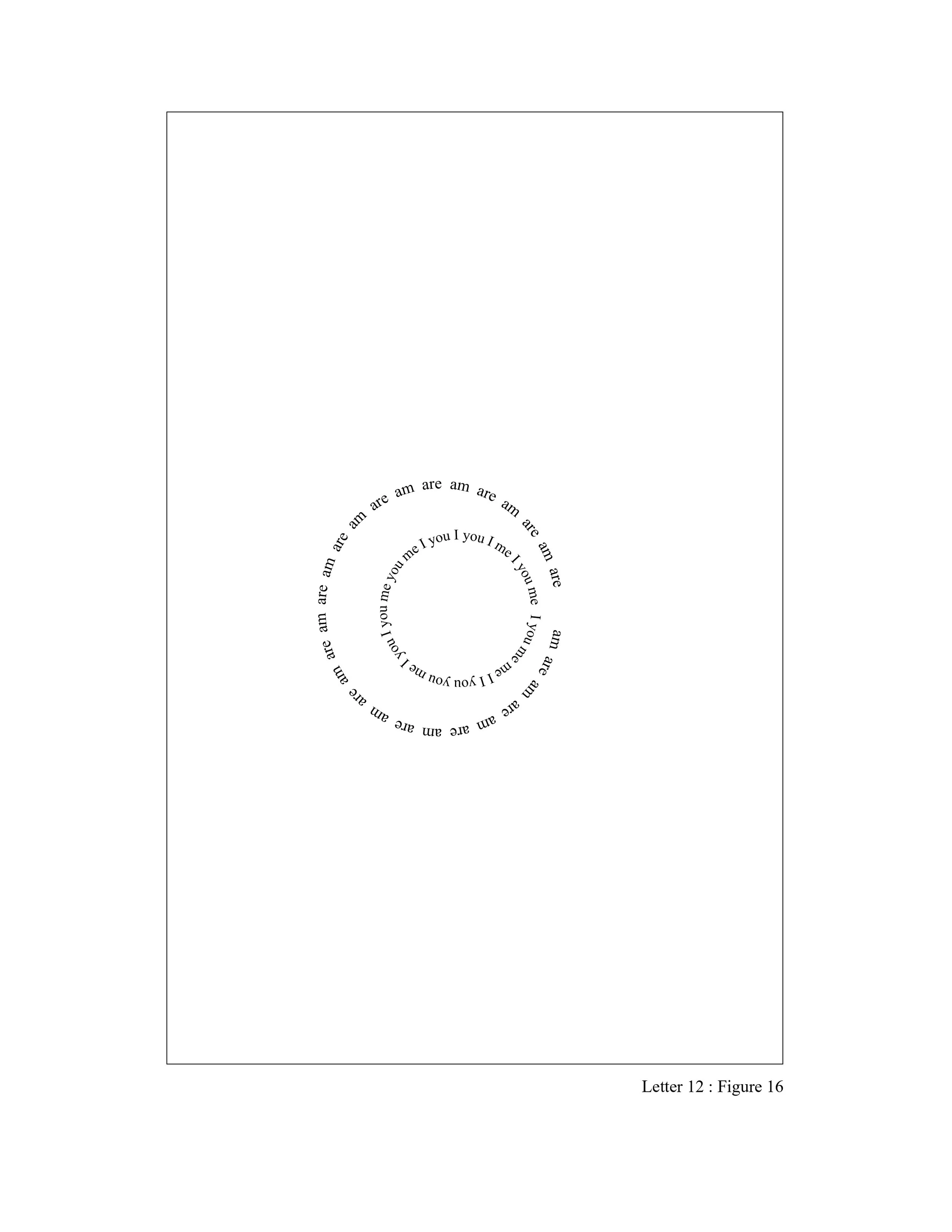
Our current collaboration begins with Spinoza’s correspondence and takes inspiration from Venn diagrams. One of us selects a passage from a letter, then chooses a shape; a word or group of words, sometimes quoted directly and sometimes created through erasure or remix; and, usually, an arrow. The other responds with another shape, language, and, usually, an arrow, completing the figure. For the next piece, we reverse roles: the person who completed the previous figure initiates the new one.
The method makes each page both an interpretation and an exchange. Neither of us determines the finished work alone; meaning develops through selection and response. The figures extend our nearly lifelong collaboration while echoing the epistolary character of Spinoza’s thought: ideas clarified through sustained address to another person.
We initially imagined the figures as a simple extension of our earlier procedures. But the entanglements of shape, language, and direction created by the arrows led us into stranger territory. Our shared sympathy with Spinoza remains important, but the work also continues to build our collaborative practice. The process has become a form of shared consciousness: an attentive and appreciative way of thinking with, through, and toward one another.
David Koehn is the author of Twine, Scatterplot, and Sur and co-editor of Compendium. His work appears in Kenyon Review, McSweeney’s, New England Review, Prairie Schooner, and elsewhere. He teaches at San José State University.
Rebecca Resinski creates artist-books and pamphlets under the Cuckoo Grey imprint. She is also one of the founding editors of Heron Tree, an online poetry journal. She teaches at Hendrix College.
The following excerpt from our exchange shows how we constructed the language for Figure 3, based on Letter VI, “To the Very Noble and Learned Mr. Henry Oldenburg,” in The Correspondence of Spinoza, translated by A. Wolf.
RR: “in what I find” is created from a sentence on page 85: “Receive therefore in what follows what I find to comment about Nitre, etc.”
DK: “always found” is created from a sentence on page 85: “I remark that, in order that this conclusion may be pronounced valid, yet another experiment is required by which it would be shown that the Spirit of Nitre is not really Nitre, and without salt of lye cannot be reduced to a state of coagulation, or be crystallized; or at least it was necessary to inquire whether the quantity of fixed salt which remains in the crucible is always found to be the same from the same quantity of Nitre, and whether it is proportionate when there is more Nitre.”
We hope this note is helpful.
Regards,
David and Rebecca